

By Paul Klein
At a time when large corporations are facing increasing scrutiny over their commitments to positive social impact, startups have an opportunity to lead by defining what it means to be a better business.
Andy Fishburn, Managing Director of Virgin StartUp, a not-for-profit organization founded by Sir Richard Branson in 2013, believes startups are uniquely positioned to lead the way in building businesses that prioritize impact as much as profitability. Virgin StartUp has provided over £90 million in funding to more than 6,000 businesses, with a strong focus on fostering socially responsible and resilient enterprises.
In this exclusive interview, Fishburn shared his insights on the evolving investment landscape for better businesses and why they are uniquely positioned to drive meaningful change.
What is a better business?
At Virgin StartUp, we don’t just help people start businesses; we help them build better businesses. That means companies that are more viable, employ more people, achieve higher turnover, but also think about their role in the world and how they contribute to their communities and society at large. It’s about ensuring that businesses are not just profitable but purposeful.
What is the business case for better businesses?
We’ve seen that purpose and profit are not mutually exclusive; in fact, they reinforce each other. The businesses that have grown, scaled, proved more resilient, and raised funding in recent years are those with a clear sense of purpose. Within our community, B Corps have consistently outperformed businesses that aren’t certified. They’re proving that embedding sustainability and social impact into a business model isn’t just good ethics—it’s good business.
Some of the largest companies are scaling back DEI initiatives. What does this mean for better businesses?
Some businesses that spent the last decade championing DEI and ESG have started to step back from those commitments. But others have stood firm. I believe consumers and employees will remember those who stayed the course. Purpose-driven businesses have an opportunity to differentiate themselves, especially in a time when trust in big business is waning. The businesses that truly stand for something will be the ones that succeed in the long run.
How has the funding landscape changed for better businesses, and what advice do you have for founders?
It has become more difficult to raise funding at all stages—whether it’s traditional debt funding, angel investment, or institutional capital. The appetite of high street banks for lending has diminished, and investors are now much more focused on profitability and a clear understanding of runway rather than just fueling growth at any cost. But that’s not necessarily a bad thing. Founders in our community are still securing funding, but the emphasis is shifting towards sustainable business models. Investors are looking for companies that can demonstrate long-term resilience rather than chasing short-term valuations.
How is Virgin StartUp helping underrepresented founders launch better businesses?
There’s a real appetite for people to start and scale businesses, but certain demographics remain underrepresented. That’s why we launched our 50-50 pledge in 2019, committing to funding an equal number of men and women. We also run Empower 100, an accelerator program focused on underrepresented founders, helping them unlock growth and investment potential. It’s our responsibility to help these founders navigate and overcome the challenges that have historically limited access to entrepreneurship.
Can you share examples of startups that embody the better business philosophy?
One great example is DASH Water. When they came to us, they were experimenting with fruit and veg in mason jars. Now, they’re a major B Corp, using surplus produce to create flavored drinks, selling 50 million cans a year, and expanding rapidly across Europe. The founder is neurodiverse, and they have a hiring policy focused on supporting neurodiverse individuals. They’re proving that you can scale while staying true to your mission.
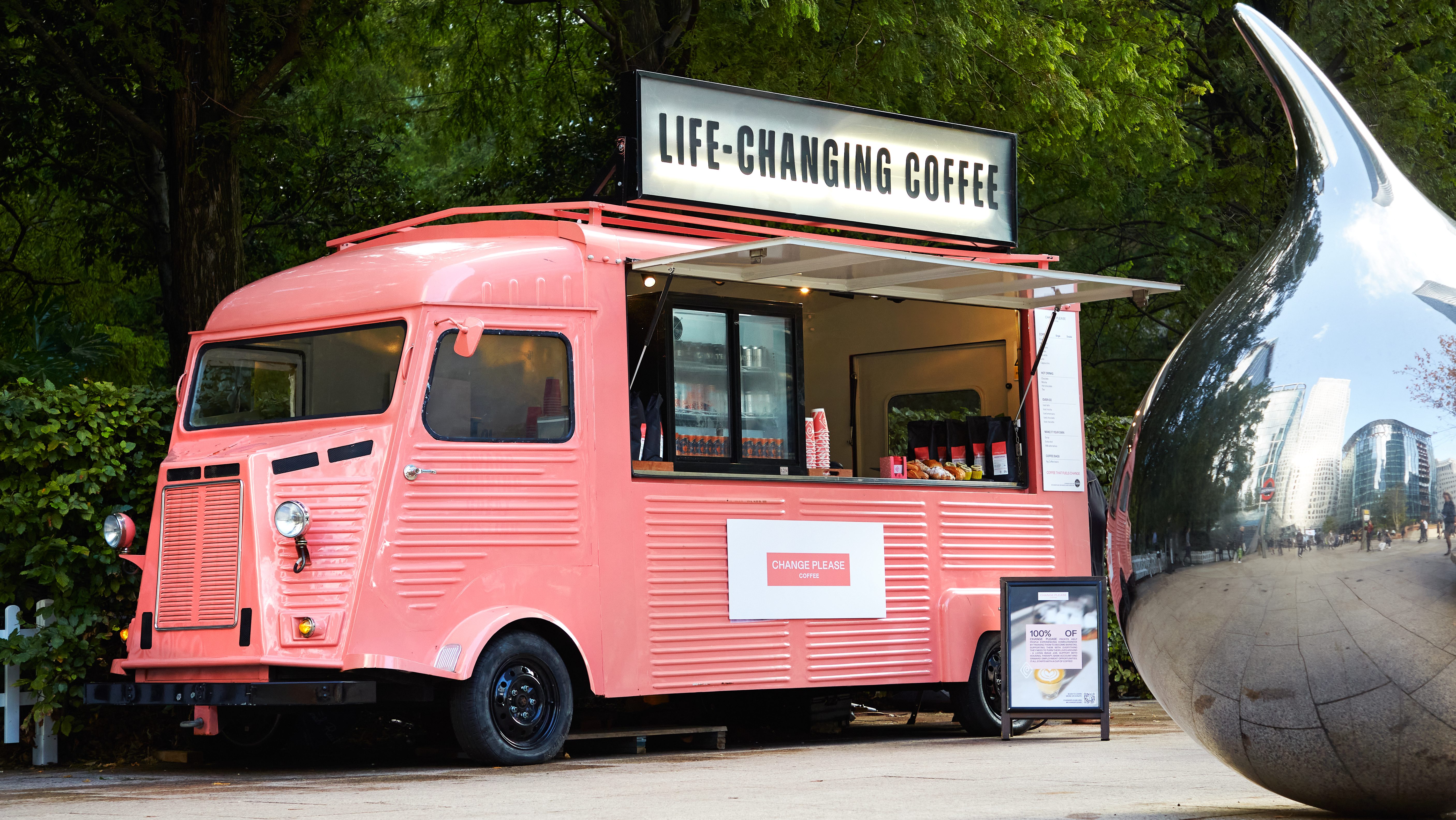
Another standout is Change Please, a social impact coffee company. They started with three-wheel coffee carts in London, training people experiencing homelessness to become baristas, providing them with jobs, housing support, and banking services. Today, they have over 50 brick-and-mortar stores and have expanded into the U.S. Beyond funding them, we connected them with Virgin Atlantic, and now their coffee is served on flights worldwide. These companies are showing that business can be a force for good.
What can big corporations learn from better businesses?
The biggest brands in the world today often didn’t exist a couple of decades ago. Big businesses must pay attention to what’s happening in the startup ecosystem. Startups move quickly, innovate with purpose, and engage deeply with their customers. We’re seeing early-stage companies like Wild that started six years ago with a mission to remove single-use plastic from bathrooms. Now, Unilever is looking to acquire that business for £230 million. Beyond building a great brand they have built a business that has real purpose, that has values, that is connected and resonating with people, and people are going with them on that journey. I think if we had more Fortune 500 companies and FTSE listed companies in the UK that were looking to do that it would serve us all well.
What role does legislation play in fostering more better businesses?
We’re strong advocates for the Better Business Act, which calls for changes to UK company law so that directors are no longer legally required to maximize shareholder returns at the expense of everything else. We believe businesses should be governed by stakeholder interests—balancing profit with the well-being of employees, customers, communities, and the environment. Virgin itself has rewritten its articles of association to reflect this. Legislative change is critical to ensuring that all businesses—not just startups—operate with a broader responsibility.
At a time when social impact in large companies is at risk, early-stage businesses have an opportunity to lead by being better businesses. Startups are proving that companies can be better businesses – even during times that are challenging. “Every year, there are reasons why now might not be the right time,” said Fishburn. “But if you see an opportunity to build something better—to solve a problem, create impact, and shape the kind of business you want to see in the world—then the best time to start is now.”
Paul Klein is the founder of Impakt and the Impakt Foundation for Social Change. He is the author of Change for Good: An Action-Oriented Approach for Businesses to Benefit from Solving the World’s Most Urgent Social Problems.


