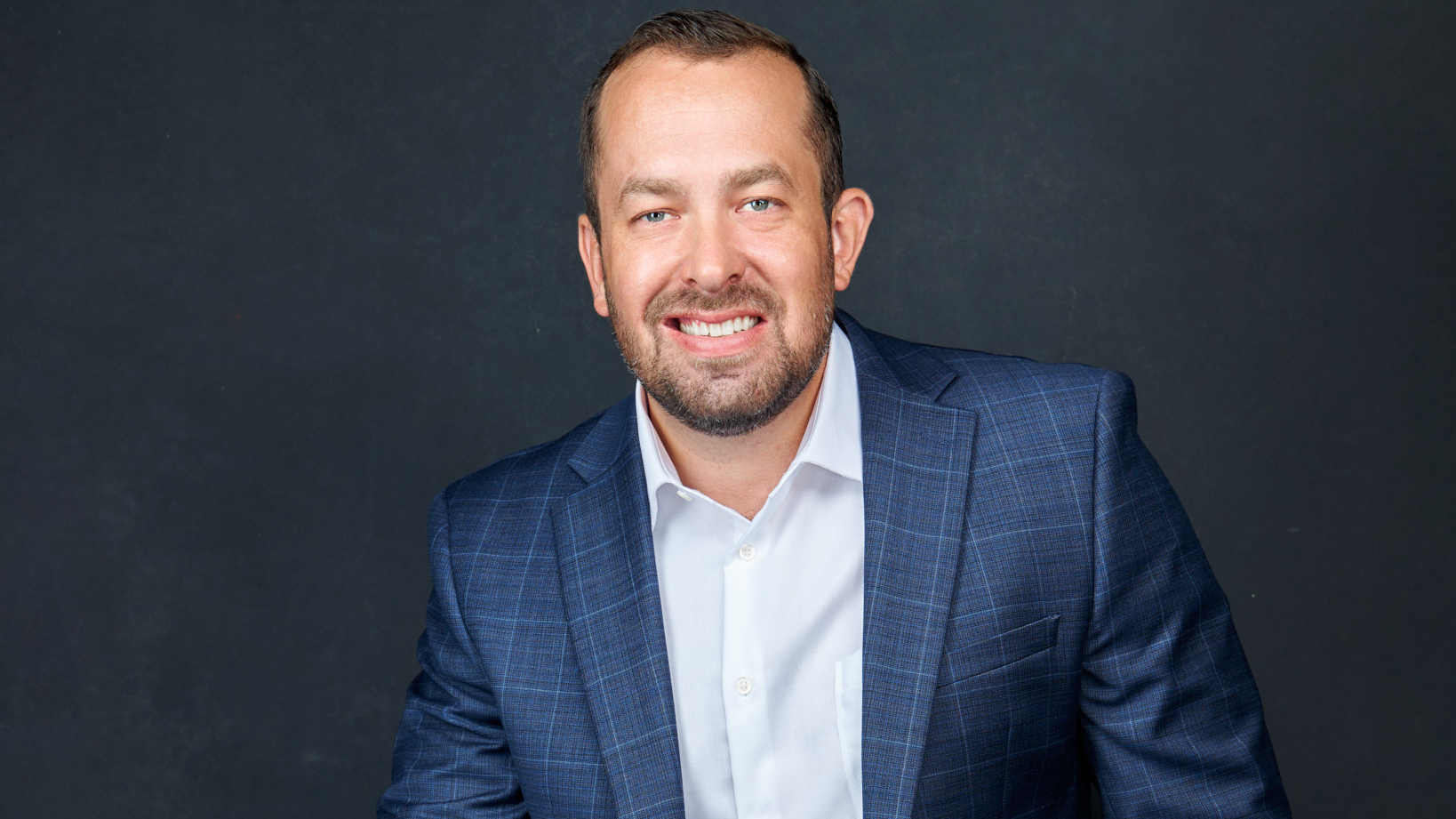
There are heroes in masks and capes chasing the villains of the night. And then there are those who faithfully show up for work every morning in a tireless effort to improve conditions for people in difficult situations.
They are social sector heroes. And like all the famous storybook heroes, they require strong cross-sector allies to do their jobs effectively, says Adam Luecking.
“You don’t have to be Batman or Wonder Woman to create change. You just need to make a commitment to collaboration, transparency, and results,” he says.
But the intention to do good is not enough. It is only when they add a diligent use of data to their perseverance that they earn their hero status.
“It’s about making a measurable impact, not just trying hard and hoping for the best,” writes Adam Luecking in the introduction to his book, Social Sector Hero.
To create social change, we must continuously measure our efforts, adapt our plans, and transparently document the results, Adam Luecking believes.
“Creating systemic change is a massive collaborative undertaking. And the only way to know if that is happening is for partners to use data consistently. How else will we know we are making a difference?” he says.
A measurement manual for all types of funders
Social Sector Hero is a manual for those who fund community development – in the private, social, and public sectors.
The book primarily speaks to philanthropic and government leaders at national, state, regional, and local levels.
Why?
Series: The Funder’s Guide to Change
As a funder, donor, or investor, you play a special role in systemic change. It is you who points out the overarching goal and sets the team that can make the necessary change happen.
If you want to succeed, you must ensure that the goal is clear, your community is in sync, and that you consistently measure the development that takes place.
This interview is the prologue to our new series, based on Adam Luecking’s book Social Sector Hero. We go through eight key strategies that can help you build an effective, system-changing alliance.
If you want to read Adam Luecking’s book in its entirety, you can download it for free as a PDF here.
Large funding institutions, like foundations and public agencies, have a special obligation to use their power wisely. This includes measuring whether taxpayer and philanthropic funds make the difference they should, Adam Luecking believes.
“The best funders have realized the importance of measuring data rigorously and consistently. So they invest in systems to get better data from their partners and grantees and support them with tools and training,” says Adam Luecking.
But it doesn’t always happen, he has found.
Seventeen years ago, Adam Luecking co-founded the company Clear Impact. During this time, he has advised philanthropic and government leaders worldwide on how to measure and improve their impact – especially in systemic change initiatives with many partners.
He has distilled that knowledge into eight core strategies, which he presents in Social Sector Hero. They are not complicated, he notes, but still not as widespread as he believes they should be.
“Even though these concepts seem simple on the surface, they are not always practiced effectively,” says Adam Luecking.
“There are many organizations that have implemented partial strategies and are successful with them. But if they really want to maximize their impact, they should aim to master all eight.”
The recipe for a cohesive fellowship
Changing systems is a massive and lengthy process that can only be accomplished with diverse actors. There will be visible highs, challenging lows, and periods that may seem stagnant. Conflicting agendas and power struggles are inevitable and will need to be addressed and resolved.
It requires the ability to forge a fellowship together.
Learn from Adam Luecking in Copenhagen
How do you create measurable social change across sectors?
Adam Luecking has been dealing with this for two decades. And in September, he will come to Copenhagen to share his experiences.
Adam Luecking is the CEO of the American company Clear Impact, which advises philanthropic and political leaders on creating systemic change in cross-sectoral alliances.
In his book Social Sector Hero, he presents a framework for systemic change – consisting of eight sub-strategies.
Understand the strategies and find your way to creating social progress.
You can meet Adam Luecking at Impact Insider on September 18 at 9 o’clock at Lygten 39, 2400 Copenhagen NV. Register here.
In Social Sector Hero, Adam Luecking presents eight strategies that, among other things, involve uniting the parties in an alliance around a common purpose and keeping them on track to fulfill that purpose.
“Even within a unit like a public health agency, you have different departments with different goals and different groups of service recipients. Getting them united around a common purpose is important for creating a clear vision and path forward for everyone,” says Adam Luecking.
He lays the tracks for this in the book, where he also describes how to break down data to get precise knowledge about specific target groups and conditions, and the best ways to report on your findings.
Impact Insider presents each of the eight concepts in a series that we will bring over the coming weeks.
Overcoming the fear of measurement
The series is aimed at both public and private donors and the organizations that receive the funds.
For those on the front lines often resist being subjected to a measurement regime. And that is completely understandable, Adam Luecking believes.
“The biggest challenge is overcoming the fear that often stems from a concern about how governing bodies will use the data they receive from partners and grantees: ‘Will they control me?’ ‘Will they punish me?’ ‘If I provide information they don’t like, will they take my funding away?’ ” he says.
But if funders handle the situation correctly, the fear can, in most cases, be vanquished.
“Grantees should not be in constant fear of being punished for “bad data.” Funders have a responsibility to communicate that data is simply a tool that allows the entire collaborative to improve their efforts,” says Adam Luecking, and continues:
“All social sector heroes are passionate about their causes. But in the end, passion is not enough without the responsible collection and use of data. Better tools, training, and communication around data will benefit everyone.”
Sometimes less is more
If Adam Luecking has to give one piece of advice about measurement, it is this: try focusing on fewer measures.
“Sometimes, less is more,” he says.
“Don’t ask your grantees to report on an unreasonable number of performance measures. If you’re measuring everything, nothing is measured effectively.”
Adam Luecking continues:
“Excessive measure reporting requirements for grantees can lead to frustration, wasted time, and the feeling that data is simply a compliance exercise. Focus is important. So invest time in having a good dialogue with your partners about measuring a maximum of five performance measures.
And what is important, he notes, can basically be broken down into three overarching types of performance measures:
How much do you do? How well do you do it? Is the target group better off?
The measures will, of course, look different depending on the effort and context. But fundamentally, they will be variations of the three overarching questions. And of these, the last one is especially important, Adam Luecking emphasizes.
“The important thing is to get organizations to focus on improving measures of well-being for their target groups,” says Adam Luecking.
For a funder who insists on creating measurable change with their funds, there is a tremendous potential to inspire their grantees to embrace measurement, he believes.
“It’s about getting the frontline workers to wake up with a feeling that they can make something good happen – and give them the knowledge that they are on the right track,” says Adam Luecking.
“If you succeed in this, you can create ambassadors who inspire colleagues and gather others around them to create measurable progress together.”